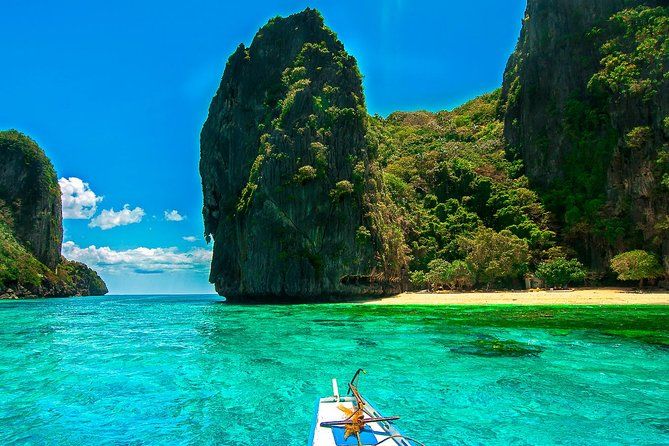
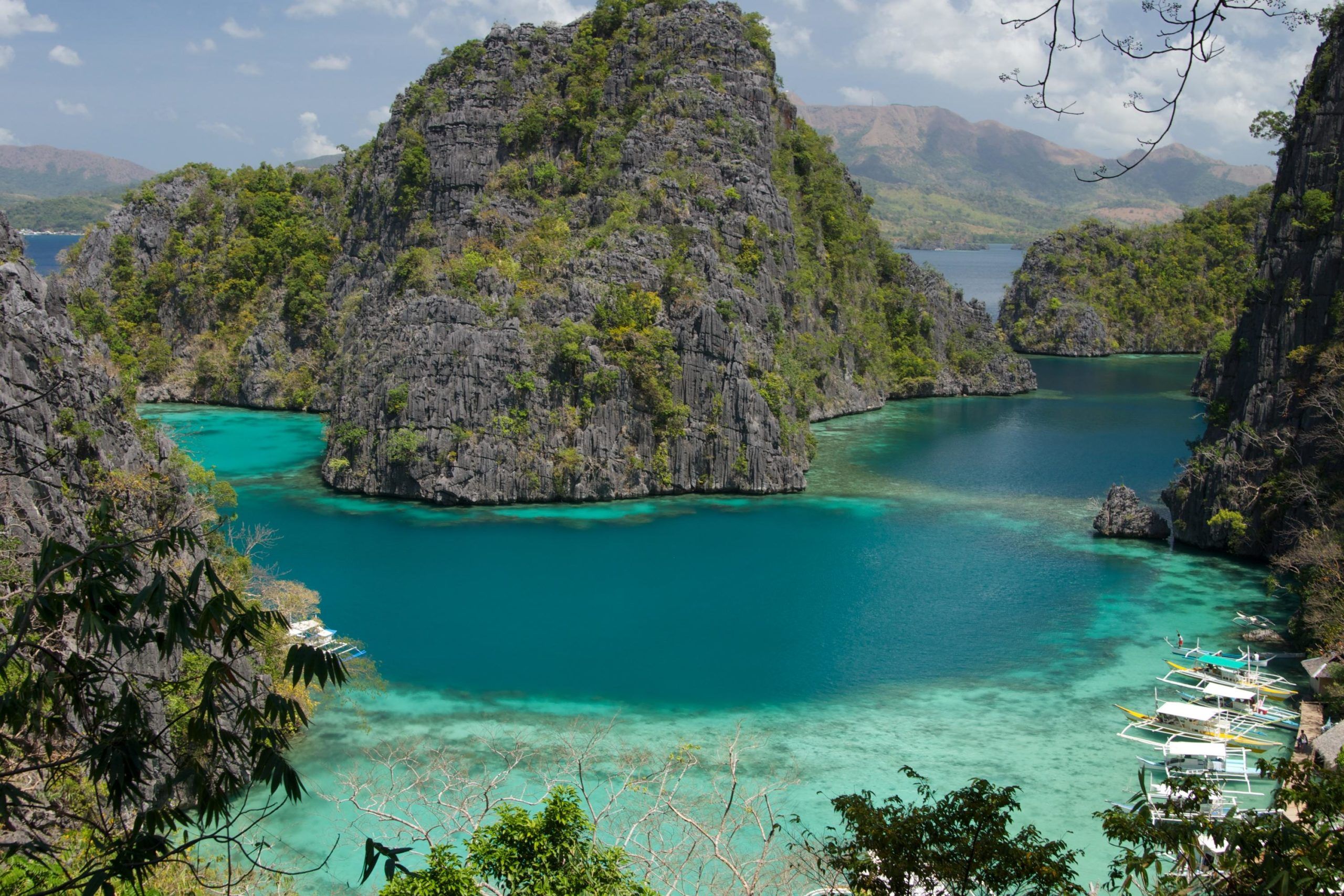
El Nido is a Philippine municipality on Palawan island. It’s known for white-sand beaches, coral reefs and as the gateway to the Bacuit archipelago, a group of islands with steep karst cliffs. Miniloc Island is famed for the clear waters of its Small and Big lagoons. Nearby Shimizu Island has fish-filled waters. The area has many dive sites, including Dilumacad Island’s long tunnel leading to an underwater cavern.
El Nido is a Philippine municipality on Palawan island. It’s known for white-sand beaches, coral reefs and as the gateway to the Bacuit archipelago, a group of islands with steep karst cliffs. Miniloc Island is famed for the clear waters of its Small and Big lagoons. Nearby Shimizu Island has fish-filled waters. The area has many dive sites, including Dilumacad Island’s long tunnel leading to an underwater cavern.
Confess with your words that God will lead you:
“The steps of the good person are ordered by the Lord. Yes. God directs my every step. God helps me to distinguish what is right from wrong. God shows me the paths to abundance. God fills my mind with His wisdom. His enlightenment is mine. His discernment is His gift to me. For God is a lamp unto my feet and a light unto my path. In Jesus’ name!”
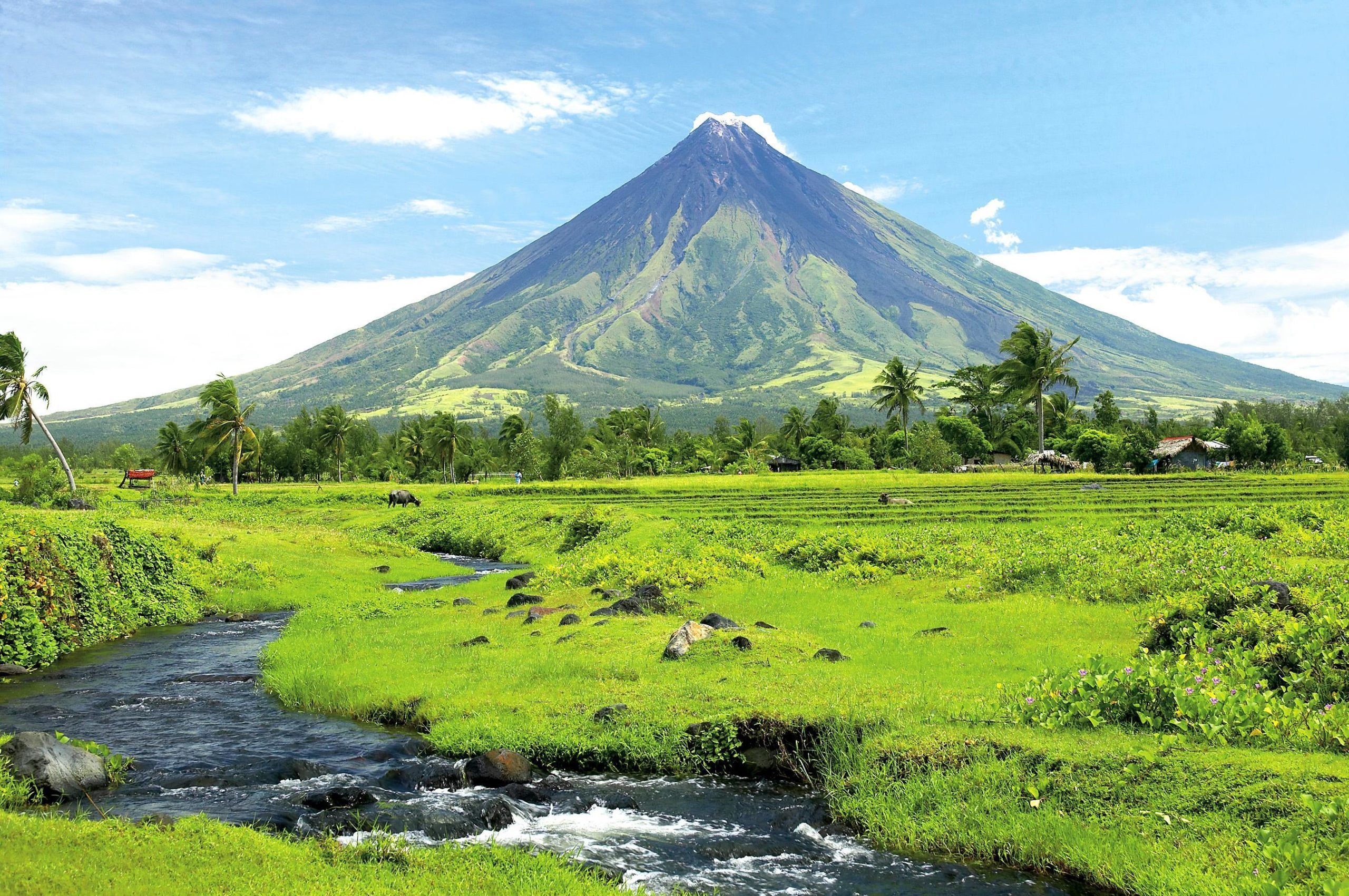
Mayon Volcano can be seen at the northern boundary of Legaspi City, Albay in the Bicol Region. It is an active volcano called stratovolcano. “A stratovolcano, also known as a composite volcano, is tall and conical built up by many layers (strata) of hardened laves tephra, pumice and volcanic ash”. The height of the volcano is 2,462 meters with a base diameter of 20 kilometers and a base circumference of 62.8 kilometers passing the towns of Camalig, Malilipot and Sto. Domingo.
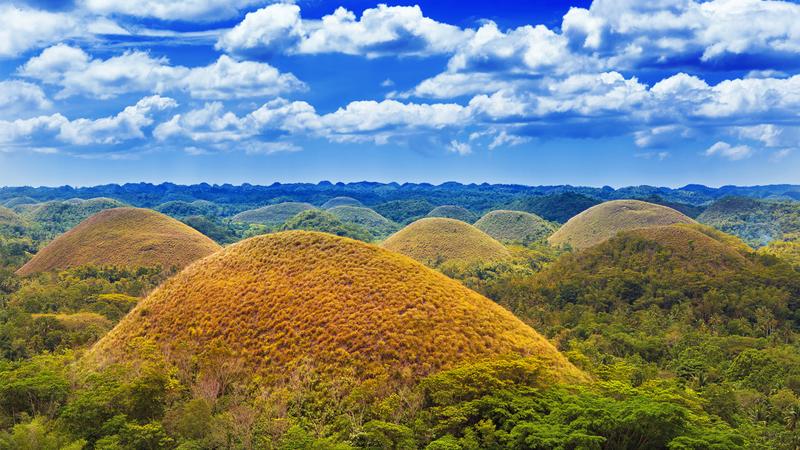
You can find the Chocolate Hills in the town of Carmen on the island of Bohol in the Philippines. One of the country's most popular tourist attractions, these hills are scattered over a 50 square kilometer area. And they sure aren't ant hills—each of the 1,200 or more mounds stands 30–50 meters tall (that's 100–165 feet)
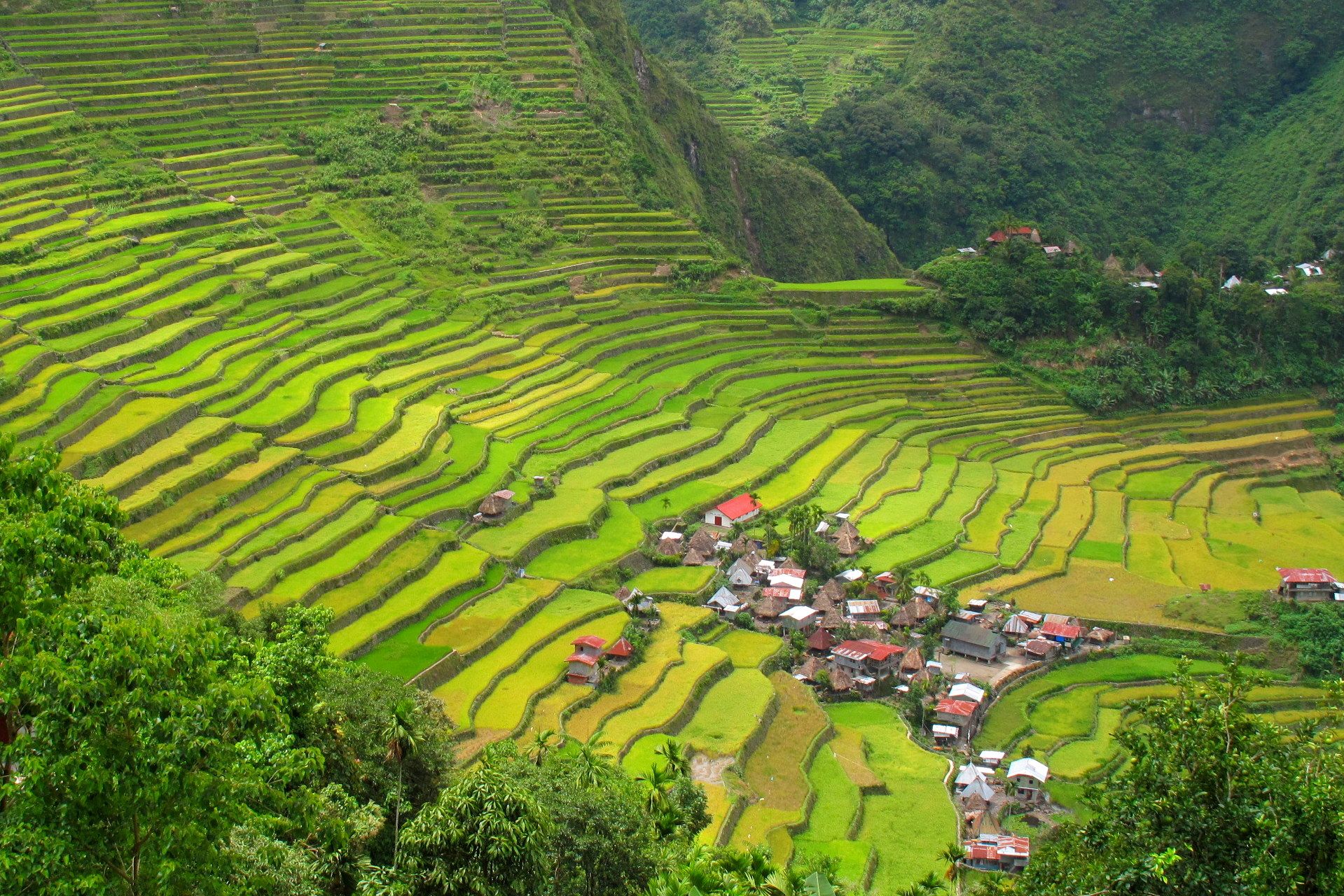
The Banaue Rice Terraces are often called the Eighth Wonder of the World because the irrigation system was carved into the mountains over 2,000 years ago.